Perspectives

Decision stage
Thank you! Your submission has been received!
Oops! Something went wrong while submitting the form.
Maturity level
Thank you! Your submission has been received!
Oops! Something went wrong while submitting the form.
Capability domain
Thank you! Your submission has been received!
Oops! Something went wrong while submitting the form.
Industry-specific
Thank you! Your submission has been received!
Oops! Something went wrong while submitting the form.
Reset
Thank you! Your submission has been received!
Oops! Something went wrong while submitting the form.

Paying for Predictability: Why the Business Case for Supply Chain Investment Keeps Failing

Supply Chain Business Case: Why It Keeps Failing | BestPractice.Club
Why the business case for supply chain investment keeps failing and what practitioners are doing differently in how they approach and frame business cases.
Supply chain leaders know the investment case for resilience and capability. The harder question is why it keeps failing — and what practitioners are doing differently to get it through. Drawing on a BPC online roundtable hosted by James Moffatt of Baringa.
No items found.
orient,test,build
stabilise,optimise
resilience,planning

What Has to Be True Before Your AI Investment Is Worth Making?

AI Investment in Supply Chain: What Has to Be True First | BestPractice.Club
Why most supply chain AI pilots fail to reach production — and what separates the organisations seeing real returns. Practitioner discussion hosted by Infor.
Most supply chain AI initiatives are launched under pressure to act rather than in response to a clearly identified problem. A BPC discussion hosted by Infor's Andrew Dalziel surfaces the disconnect — and what separates organisations seeing returns from those stuck in pilot purgatory.
Food & Beverages
Industrial, Manufacturing & Engineering
Wholesale / Distribution
food-beverages
industrial-manufacturing-engineering
wholesale-distribution
orient,test
stabilise,optimise
planning,data

When the Trade-Off Is Real: Cost-to-Serve as a Planning Discipline

Cost-to-Serve as a Planning Discipline: Making Trade-Offs | BestPractice.Club
What supply chain leaders are actually experiencing when managing cost-to-serve trade-offs and how to integrate them into routine planning cycles.
A practitioner discussion on cost-to-serve trade-offs across service, working capital and margin. What leaders are actually experiencing, where simulation helps, and why the finance relationship is often the hardest constraint to shift.
No items found.
orient,test
stabilise,optimise
planning,service,logistics,data

Why the Supply Chain Resilience Business Case Keeps Failing... and What to Do Differently

Supply Chain Resilience Business Case: Why It Keeps Failing | BestPractice.Club
Why supply chain resilience investment keeps losing internal budget battles, and how senior leaders can reframe the business case to change that conversation.
Supply chain leaders broadly agree that resilience matters, yet resilience investment keeps losing out to projects with calculable short-term returns. Drawing on a conversation with Simon Geale of Proxima, this article examines why that gap persists, how the framing shift from cost to strategic investment changes the internal conversation, what Proxima's Global Sourcing Risk Index reveals about mispriced near-shoring risk, and where to start when the full solution is out of reach.
No items found.
test,build
optimise,sustain
resilience,supply
Planning transformation projects frequently involve external consultants, yet many supply chain leaders approach these relationships with a degree of scepticism. Drawing on a conversation with former practitioner turned consultant Dale Edwards, this article explores why that scepticism exists and how it reflects the practical realities of planning transformation. It examines the gap between planning theory and operational behaviour, the risks of beginning transformation programmes with technology rather than clearly defined operational problems, and practical ways organisations can evaluate improvements before committing to major change. Rather than criticising consultants, the article argues that a constructive level of scepticism can improve decision-making and lead to more effective collaboration between organisations and external advisors.
No items found.
test
optimise
planning

Why Expediting Becomes the Default Response to Supply Chain Volatility

Why Expediting Becomes the Default in Volatile Supply Chains
Why expediting becomes the default response to volatility when service, inventory, cost and capacity trade-offs are never explicitly agreed.
Why expediting becomes the default response in volatile supply chains. A discussion with practitioners reveals how unresolved structural trade-offs around service, inventory, cost and capacity push organisations into reactive firefighting rather than deliberate resilience.
Industrial, Manufacturing & Engineering
Food & Beverages
Hospitality & Leisure
industrial-manufacturing-engineering
food-beverages
hospitality-leisure
test
stabilise,optimise
resilience,planning,data,supply

From Stability to Predictability: Rethinking Resilience in a Volatile World

From Stability to Predictability: Rethinking Resilience in a Volatile World
James Moffatt explores why supply chain resilience is now a decision design and investment challenge and how leaders can create predictability
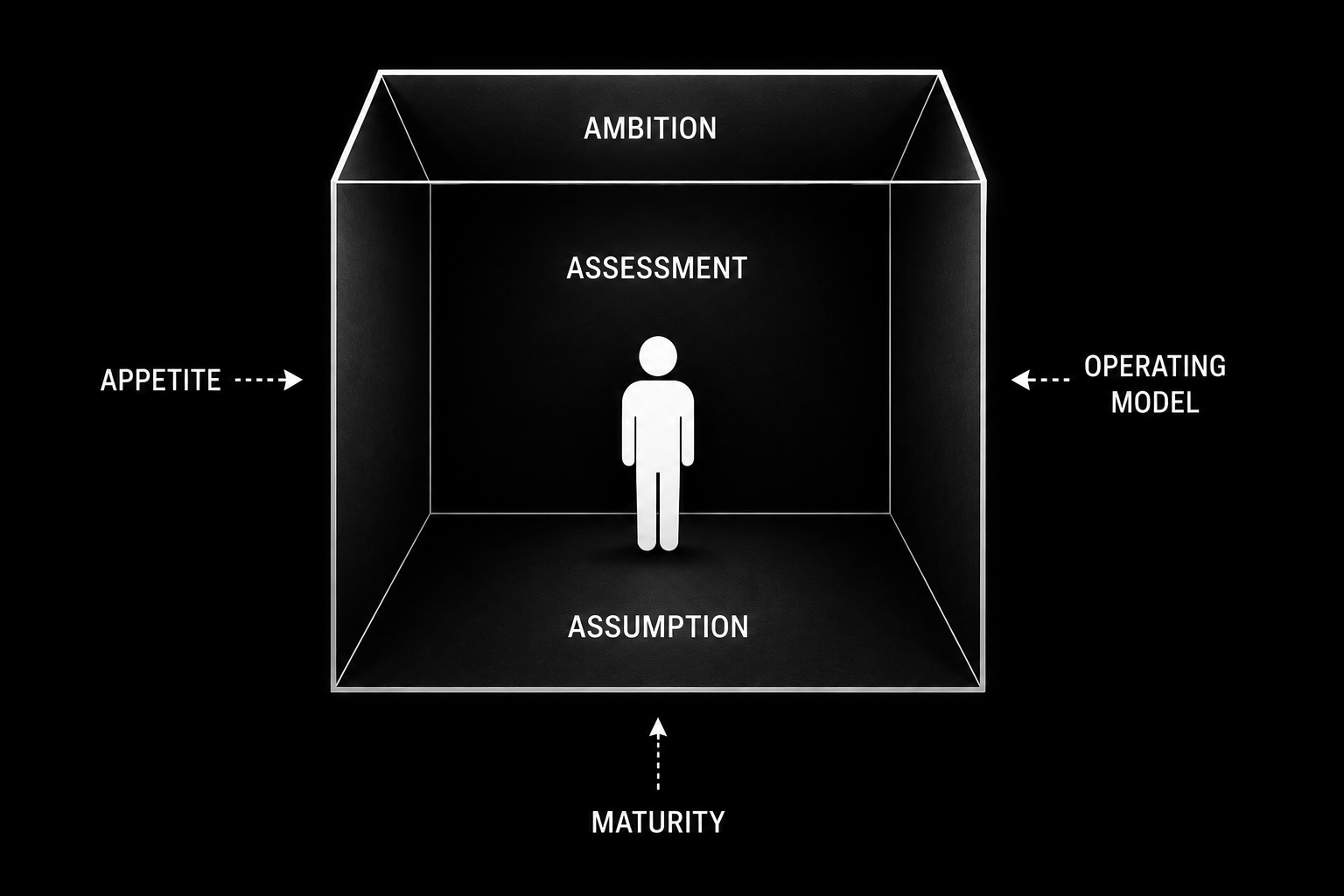
Why resilience is no longer about restoring stability, but about redesigning decisions, aligning capital allocation with risk tolerance, and investing deliberately in predictability in a structurally volatile world.
No items found.
orient,test
stabilise,optimise
resilience,planning

Resilience Is Designed Through Structure, Not Intention

Designing Supply Chain Resilience Through Operating Model, S&OP and Free Cash Fl
An in-depth perspective on how operating model design, demand discipline, S&OP governance and CFO alignment turn supply chain resilience into measurable improve
Chris Bassano’s experience across industrial and building products supply chains highlights how resilience is built through operating model design rather than technology alone. Drawing on large-scale transformations, the article explores synchronisation between demand and supply, network redesign, the role of S&OP and IBP in orchestrating the organisation, and how inventory discipline translates into working capital and free cash flow. It emphasises the importance of framing supply chain decisions in financial terms and building strong alignment with the CFO to secure investment and sustain resilience.
Industrial, Manufacturing & Engineering
industrial-manufacturing-engineering
orient,test,build
stabilise,optimise,sustain
resilience,planning

What Does “Data Ready” Actually Mean?

Testing Data Readiness Before Applying AI in Supply Chain
A practitioner-led reflection on defining data sufficiency for specific supply chain decisions before committing to AI or advanced analytics.
Insights from a discussion hosted by Andy Devlin on how to test assumptions about data readiness in supply chain AI initiatives, focusing on use-case sufficiency and sequencing.
No items found.
test
optimise
data

When Supply Chain Leaders Become Accountable for Data They Don’t Control

Aligning Digital Accountability with Data Ownership in Supply Chain
Practical lessons from a supply chain discussion on mapping data dependencies, clarifying ownership and sequencing digital initiatives before applying AI.
Insights from a practitioner discussion hosted by Andy Devlin on how supply chain leaders can align digital accountability with dispersed data ownership when shaping AI and automation initiatives.
No items found.
stabilise
data

When Resilience Collides with Working Capital

When Resilience Collides with Working Capital & Cas
How resilience ambitions translate into working capital exposure, why short-term responses harden into long-term cost, and what planning disciplines decide.
When resilience ambitions become real, working capital becomes the point of decision. This article explores how resilience translates into cash exposure, why short-term responses harden into long-term cost, and how planning disciplines determine whether working capital becomes a constraint or a strategic lever.
Industrial, Manufacturing & Engineering
Automotive
Construction, Property & Infrastructure
Pharma, Life Science, Healthcare & Medical Equipment
industrial-manufacturing-engineering
automotive
construction-infrastructure
pharma-life-sciences-healthcare
test,build
stabilise,optimise
resilience,planning

What Does “Resilience” Actually Mean in Operational Terms?

What Does Supply Chain Resilience Really Mean in Operational Terms?
Supply chain resilience is often treated as an aspiration rather than a design choice. This article examines how resilience should be defined operationally, why
Resilience is widely agreed as a priority — but rarely defined in operational terms. This article explores what resilience actually means in practice, why many responses default to inventory and buffers, and how cost, time, and sustainability determine whether resilience strengthens the business or quietly undermines it.
Industrial, Manufacturing & Engineering
Automotive
Construction, Property & Infrastructure
Pharma, Life Science, Healthcare & Medical Equipment
industrial-manufacturing-engineering
automotive
construction-infrastructure
pharma-life-sciences-healthcare
orient
stabilise,optimise
resilience

The Same Leader, Two Very Different Planning Strategies: Why Context Changes Everything

Why Planning Strategy Depends on Context, Not Maturity Models
Why planning maturity isn’t one-size-fits-all — and how context, ownership, and constraints should shape proportionate supply chain decisions.
The same planning leader, two very different strategies. This Perspective explores how ownership model, maturity, and constraints reshape what “good” planning looks like — and why copying peers is often a costly mistake.
Consumer Goods
consumer-goods
orient
stabilise,optimise
planning,data,supply

Why End-to-End Planning Transformations Succeed or Fail Before Technology Is Chosen

Why Planning Transformations Fail Before Technology Is Chosen
Why supply chain planning transformations often fail before tools are selected — and how operating models, ROI discipline, and decision clarity change outcomes.
Most large planning transformations fail long before technology is implemented. Drawing on practitioner experience, this Perspective explores why problem definition, operating model design, and ROI discipline determine success before vendor selection begins.
Consumer Goods
consumer-goods
build
optimise,sustain
planning,data,supply

Why Data Foundations Decide Whether Supply Chain Change Ever Gets Off the Ground

Why data foundations decide whether supply chain change gets off the ground
Why do supply chain change initiatives stall before technology becomes the issue? Learn how weak data foundations, unclear decision needs, and over-engineered a
You may feel ready to invest in new supply chain technology, but progress often stalls much earlier — when data foundations are not aligned to real decision needs. Drawing on large-scale operational experience, Andy Devlin explains why decision-led data foundations matter, how to avoid “boiling the ocean,” and where to focus first to enable scalable change.
No items found.
orient,test
stabilise,optimise
data,resilience

Are Service Cost and Cash Really a Trade-Off — or a Planning Myth?

Is the Service–Cost–Cash Trade-Off Really Inevitable?
The service, cost and cash trade-off is widely accepted in supply chains. But is it unavoidable, or created by how planning decisions are made?
The trade-off between service, cost and cash is widely accepted in supply chains. This article challenges whether it is truly unavoidable, or a consequence of how planning decisions are framed.
No items found.
test
optimise
planning,data

Why Supply Chain Planning Keeps Failing — Even When “Nothing Is Broken”

Why Supply Chain Planning Breaks Down in Volatile Conditions
Many supply chains look stable but rely on fragile planning assumptions. Learn why average-based planning fails when volatility becomes structural.
Many supply chains appear stable but rely on planning assumptions that no longer hold. This article explains why average-based planning struggles in volatile environments and why failure often goes unnoticed.
No items found.
orient
stabilise
planning,resilience

From Insight to Commitment: Knowing When You’re Ready to Move

Decision readiness signals, when to commit | BestPractice.Club
Understand the signals that you’re ready to commit to transformation, how to set evidence thresholds, and how to maintain momentum without premature decisions.
Even when priorities are clear, organisations often stall because they don’t know what ‘ready’ looks like. This article sets out calm, practical signals of decision readiness: ownership, evidence thresholds, alignment on risk, and the ability to adapt when assumptions change. It also explains why post-event momentum often fades, and how to structure follow-up so it supports decisions without pushing premature sales conversations.
No items found.
commit
optimise,sustain
data,resilience

If the Data Were Reliable, Where Would You Start in Food & Beverage Supply Chains?

Data: Where to Start in Food & Beverage | BestPractice.Club
How food and beverage supply chain leaders decide where to focus first once data reliability improves and the questions to ask yourself.
A decision-led perspective on where to start in food and beverage supply chains once data improves, focusing on prioritisation, trade-offs, and decision leverage.
Food & Beverages
food-beverages
build
optimise
planning,logistics,data

If the Data Were Reliable, Where Would You Start in Industrial Manufacturing?

Industrial manufacturing prioritisation, where to start | BestPractice.Club
A practical perspective on where to start in industrial manufacturing once data improves—prioritising decision leverage, commitment points, and optionality.
Industrial manufacturing supply chains face long horizons, capital-intensive assets, and decisions that are hard to reverse. This article explores how leaders should prioritise once data reliability improves—focusing on commitment points, optionality, and scenarios that change capacity, sourcing, and customer promises. It’s for manufacturing leaders moving from analysis to sequencing: choosing the first moves that reduce regret and build resilience.
Industrial, Manufacturing & Engineering
industrial-manufacturing-engineering
build
optimise,sustain
planning,data,resilience

From Data to Decisions: What Actually Has to Be True for Value to Appear

Data to decisions conditions, what must be true | BestPractice.Club
Learn what must be true for data and technology investments to translate into real productivity and decision impact and where to start.
Once you accept that transformation is a decision problem, the next step is testing what must be true for value to appear. This article sets out practical enabling conditions that turn better data and systems into better decisions—process clarity, actionable agility, trusted data, and customer-facing productivity. It’s aimed at leaders who are pressure-testing readiness and assumptions before prioritising initiatives or engaging vendors.
No items found.
test
stabilise,optimise
data,planning

Why Digital Transformation So Often Fails to Deliver Value

Digital transformation value void, why it persists | BestPractice.Club
Understand why digital transformation often fails to deliver value in supply chains, what causes the value void, and how leaders can reframe the problem early.
Many transformation programmes stall not because the technology is wrong, but because organisations never align on which decisions matter most and what must change to improve them. This perspective introduces the 'value void' and explains why common explanations (data, change management, readiness) miss the underlying constraint: shared decision clarity. It’s for supply chain and transformation leaders who are orienting around where to start before investing in tools or programmes.
No items found.
orient
stabilise
data,planning

Interview: Tim Richardson on Designing Resilience for a Volatile World

Designing Resilient Supply Chains in a Permanently Volatile
Why volatility is now structural, not cyclical — and how supply-chain leaders must design resilience, clarity, and adaptability into their networks before the n
Supply chains designed for cost and efficiency are now operating in a permanently unstable world. In this conversation, Tim Richardson, CEO of Iter Consulting, explains why volatility is no longer cyclical, why confidence among supply-chain leaders has eroded, and why resilience must be designed into networks rather than bolted on after disruption hits. He argues that adaptability depends less on chasing new technology and more on clear thinking, sound foundations, and leadership capable of making decisions before the next crisis arrives.
Industrial, Manufacturing & Engineering
industrial-manufacturing-engineering
orient
stabilise,optimise
resilience,data
Trevor Jordaan is Senior Director at Blue Yonder, one of the few major supply chain vendors to explicitly frame its product strategy around composability. In this conversation with JP Doggett, he explains what composability means in practice rather than in marketing, why organisational readiness is the harder problem than technology, and what becoming AI fit requires from supply chain leaders, teams and governance structures.
Consumer Goods
Food & Beverages
consumer-goods
food-beverages
Composable and agile supply chain innovation is often discussed in abstract terms. This article brings the conversation down to ground level, exploring what modular approaches actually look like in practice, where the best starting points are inside complex legacy environments, and how a crawl-walk-run model connects incremental capability-building to a longer-term operating model.
No items found.
commit
data
Nick Miles spent over seven years at Burberry, leading supply chain IT and later IT strategy. In this conversation with JP Doggett, he reflects on how Burberry moved from a monolithic transformation approach to composable, best-of-breed solutions, what governance of innovation investment actually requires, and how to engage vendors in a way that distinguishes credible capability from sales talk.
Consumer Goods
Apparel & Fashion
consumer-goods
apparel-fashion
orient
stabilise
data,planning,resilience
Graham Whittemore is founder of Peakview Labs and previously held senior supply chain roles at Amazon, Wayfair and CVS. In this conversation with JP Doggett, he argues that integration is the central nervous system of composable architecture, explains why ERP is no longer the centre of gravity in the supply chain tech ecosystem, and explores how low-code tools and AI are lowering the cost of experimentation for operators.
No items found.
data
Supply chain operators and startups want to work together. Both sides report the same frustrations. This article, drawing on conversations with founders, investors and supply chain leaders, examines why the gap persists: career risk on the operator side, trust and integration barriers in procurement, the fragility of internal champions, and what a portfolio approach to innovation might look like if operators borrowed thinking from investors.
No items found.
Ravi Wesley is a venture capital investor at Marula Square and formerly Industry Strategist at Blue Yonder. In this conversation with JP Doggett, he challenges how supply chain innovation is financially framed, explains why reactive innovation cycles produce poor outcomes, warns against vendors rebranding existing products as composable, and explores what agentic AI actually requires from an architectural standpoint.
Apparel & Fashion
apparel-fashion
data,resilience
Professor Glenn Parry of Surrey Business School has spent 25 years researching value in supply chains, servitisation and ecosystem orchestration. In this conversation with JP Doggett, he explains why ERP remains a one-size-fits-nobody solution, why value must be specified before transformation is attempted, how composability offers deeper resilience than visibility dashboards, and why trust is always the deciding factor in whether technology-led change actually holds.
No items found.
Systems and methods matter but culture is often the deciding factor. Part 6 of this series explores why pilots rarely survive the transition to scale, how fragmentation between IT, supply chain and finance creates the conditions for innovation to stall, why shadow spreadsheets persist as a symptom of broken trust, and what research says about the cultural conditions that allow digital transformation to compound rather than stall.
No items found.
sustain
Cybersecurity incidents at JLR, Marks & Spencer and Co-op cost hundreds of millions and disrupted physical operations. Part 5 of this series examines why supply chain leaders can no longer treat security as IT's problem, how fragmented governance creates accountability gaps, and what regulatory pressure from DORA and the classification of UK incidents as systemic events means for how innovation programmes are approved and scoped.
No items found.
optimise
Zoe Webster has spent over 25 years in AI, from computer science research to shaping national strategy at Innovate UK, leading BT's AI enablement centre and working as an independent adviser. In this conversation with JP Doggett, she explains why scepticism about AI is legitimate, why framing the problem before selecting the technology is the critical step most organisations skip, and how to avoid the Betamax trap of committing to a technology whose standards shift.
No items found.
implement
Building the business case for supply chain innovation is a tightrope. Part 4 of this series examines why SaaS costs are frequently misunderstood, how technical debt inflates the real cost of every new investment, why only 12% of large digital programmes deliver sustainable returns, and how mismatched payback horizons between boards and supply chain programmes undermine investment confidence.
No items found.
commit
John McFall and Martin McKie are co-founders of Supply Chain Wise and former AWS leaders. In this conversation with JP Doggett, they explain why burning-platform innovation cycles produce inflated business cases and eroded trust, why Excel persists as the shadow control tower in most large supply chains, and how governance and procurement strategy can create the optionality that breaks the current cycle.
Wholesale / Distribution
Retail
Apparel & Fashion
wholesale-distribution
retail
apparel-fashion
test
optimise
The gap between AI ambition and AI readiness in supply chains is large and growing. Part 3 of this series explores why skills shortages, fragmented data and governance gaps consistently prevent digital programmes from scaling, why the 1% of organisations that have fully automated processes with AI is not a surprise to practitioners, and what becoming AI fit actually requires.
No items found.
test

Lidl's abandoned ERP implementation: lessons learned

Lidl's abandoned ERP implementation: lessons learned
What the Lidl SAP write-off reveals about monolithic ERP, and how subsequent investment in RELEX, logistics automation and Lidl Plus suggests a new approach.
Lidl spent an estimated €500 million over seven years on an SAP implementation before reverting to its legacy system. This article examines what went wrong, why the project became a reference point in supply chain conversations about large-scale transformation, and what Lidl's subsequent approach to targeted, modular investment suggests about how the failure may have shaped its innovation strategy.
Retail
retail
stabilise
Waterfall change management was designed for a stable world. Part 2 of this series examines why linear, multi-year transformation programmes routinely fail to keep pace with operational reality, why agile approaches are often adopted in name only, and what the companies that adapted fastest during Covid had in common that others lacked.
No items found.
build
ERP systems were built for stability, not volatility. Part 1 of this series examines why legacy architecture has become a bottleneck rather than an enabler, drawing on practitioner conversations and research to explore technical debt, the high failure rate of large transformation programmes, and why the sequence of change — operating model before systems — is so consistently misunderstood.
No items found.
James Moffatt of Baringa explains why supply chain transformation so often stalls before technology becomes the constraint. From fragile data foundations and misaligned outsourcing economics to short-term leadership incentives, he outlines the structural barriers that slow progress—and why the only viable route to automation, resilience and decarbonisation is a deliberate, step-by-step maturity journey rather than a single leap to an ideal future state.
Consumer Goods
Food & Beverages
Apparel & Fashion
consumer-goods
food-beverages
apparel-fashion
build
sustain
resilience

M&A in Supply Chain & Logistics

M&A in Supply Chain & Logistics - what's driving or slowing activity?
What is driving M&A consolidation in supply chain technology: AI, cloud SCM adoption, sustainability regulation, PE activity and the sector's growth outlook.
The supply chain and logistics technology sector is consolidating fast. This article explores the market trends driving M&A activity — AI and automation adoption, cloud-based SCM, sustainability compliance, TMS and WMS growth — and the investment logic behind private equity and strategic acquirer behaviour, with data on deal volumes, growth projections and the areas attracting the most attention.
No items found.

Value creation opportunities in 2025

Value creation opportunities for supply chain and logistics in 2025
Where value creation is concentrating in UK and European supply chain in 2025: digital transformation, forecasting, infrastructure and competitive disruption.
An overview of where value creation opportunities are concentrating in UK and European supply chain and logistics in 2025, covering digital transformation priorities, unified data systems, advanced forecasting, infrastructure investment, sustainability reporting reform and emerging competitive dynamics including InPost's disruption of the parcel delivery market.
No items found.
Alignment between business strategy and supply chain strategy is usually assumed rather than built. This article, drawing on research with around 20 supply chain leaders, examines why the gap opens at the point of strategy formation, widens through the year as conditions shift, and what the structural causes are — including metric misalignment, planning cycle design and the absence of supply chain input at the point where targets are set.
No items found.
Supply chain and logistics have shifted from operational overhead to strategic priority. This article examines what is driving investor interest: market growth, M&A momentum, digital transformation, private equity activity, sustainability demands and infrastructure investment, and what the gap between venture funding in Europe and the US signals about where opportunity may be concentrated.
No items found.

Do I need to invest in a planning platform to create value?

Do I need to invest in a planning platform to create value?
What you can do today before spending anything on new tech by focusing and simplifying your S&OP / IBP process to optimise inventory.
The post argues that supply chain forecasting often fails because companies focus on tools rather than decisions. Drawing on multinational IBP and S&OP experience, it highlights how over-complex AI-driven systems are frequently adopted before organisations are clear on what they actually need to decide, over what time horizons, and at what level of detail. Clean, reliable data must come before technology, and simpler, iterative forecasting approaches—often piloted or custom-built—can deliver faster, cheaper value than defaulting to large, “safe” vendors. The real objective is not perfect forecast accuracy, but greater execution agility in an increasingly volatile environment.
Apparel & Fashion
apparel-fashion
planning